
Hi everyone! My name is Nadia Yasmin binti Mohd Yazid. A lot of people call me ‘nad’. I am 18 years old. I am from Sungai Buloh, Selangor and currently study at UiTM Jengka, Pahang. I’m the third child of four siblings and all of us is girls. I’m gonna show you my family’s picture during Raya this year and when my eldest sister got married.


So, in this blog, I will show the content of UED 102
Items:
- 1) Learning Style Inventory
- 2) Goal Statements – The Five Step Approach
- 3) Fixed-Commitment Calendar
- 4) Job Task Analysis
- 5) Prioritized To Do List
- 6) GPA Worksheet
What is UED102?
UED 102 or better known as study skills is an important learning skill for every student in going through university life well. Basically, UED like a course where it opens up a student’s mind towards basic academic skills like setting the right goals, memory strategies, how to take lecture notes, etc. That will help students overcome academic demands at the tertiary level. After taking this course, students should begin their personal study skills portfolio like mine.

MODULE 1 – LEARNING STYLE INVENTORY
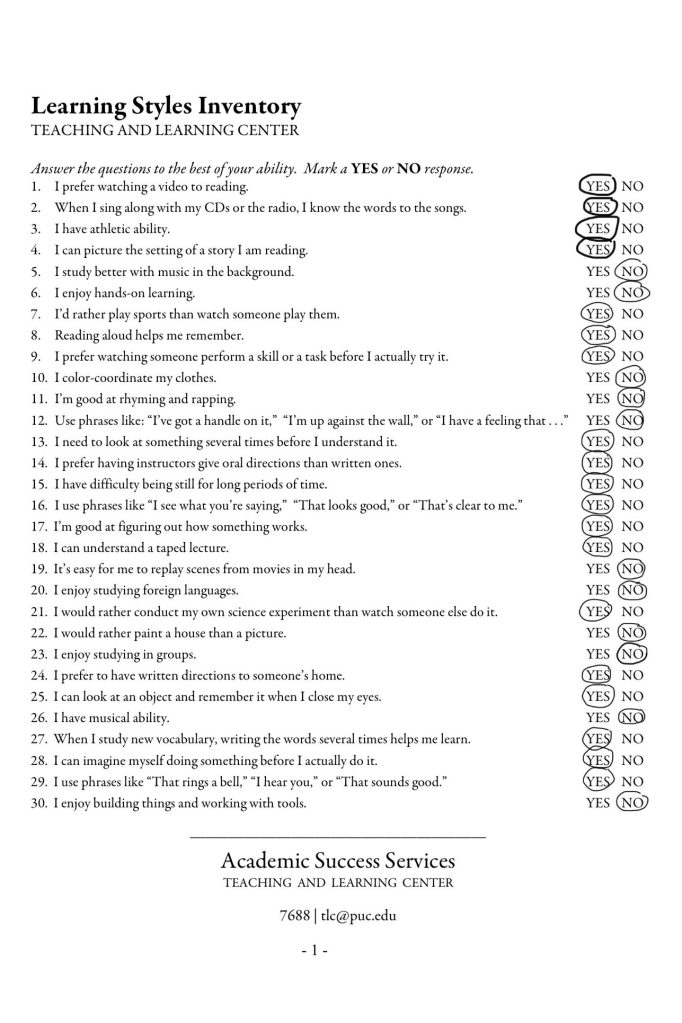
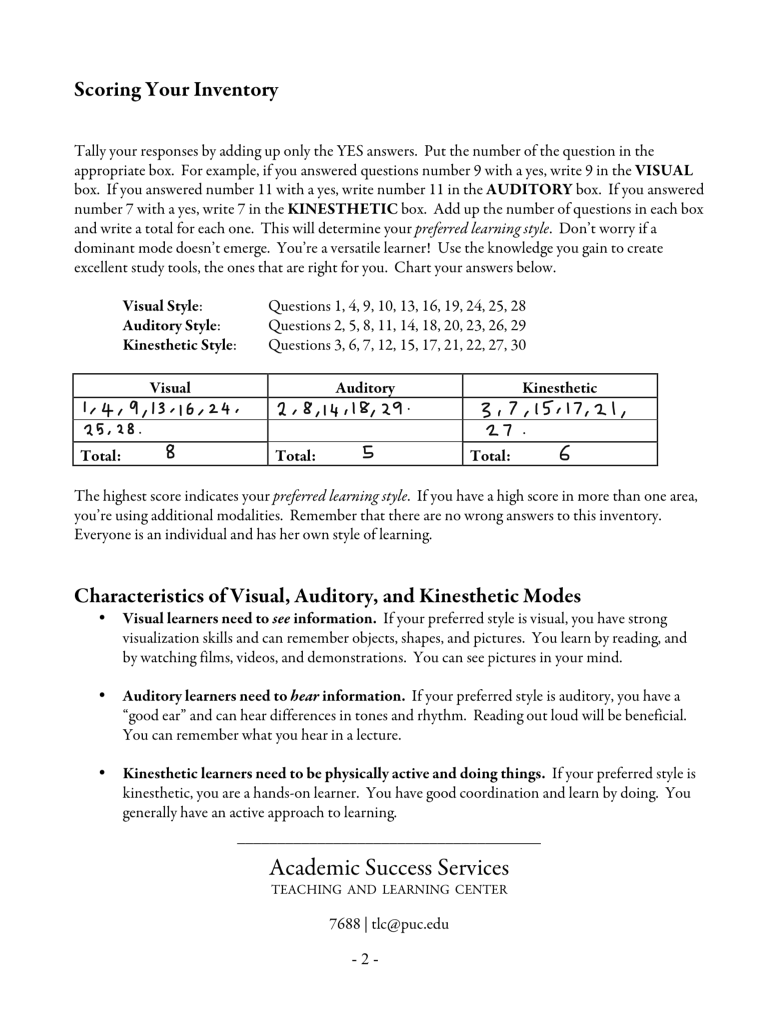
- I am, without a doubt, an auditory learner.
- This analysis is extremely beneficial since, at long last, I have identified a learning style that will allow me to progress in my studies.
- I could simply understand the subject that I found tough by watching instructive videos, particularly on YouTube.
- In fact, I can use all three major learning styles to improve my study abilities.
- Reading mind maps while listening to my favorite song allows me to merge visual and auditory modes.
- I feel that by combining them, we would achieve a better result and improve learning abilities.

MODULE 2 – GOAL SETTING
Goal are the ends toward which we direct our effort. In other words, goals are things we want to achieve.
Goals are important in varsity life because they help motivate you to do work, attend classes and study for exams
Educational goals are statements that describe the skills, competencies and qualities that you should possess upon completion of a course or program. It usually involves identifying objectives, choosing attainable short-term goals and then creating a plan for achieving those goals.
Definition of a goal. A goal is:
- A dream
- Attainable
- Measureable
- Has a time limit
- Within your control
- In writing

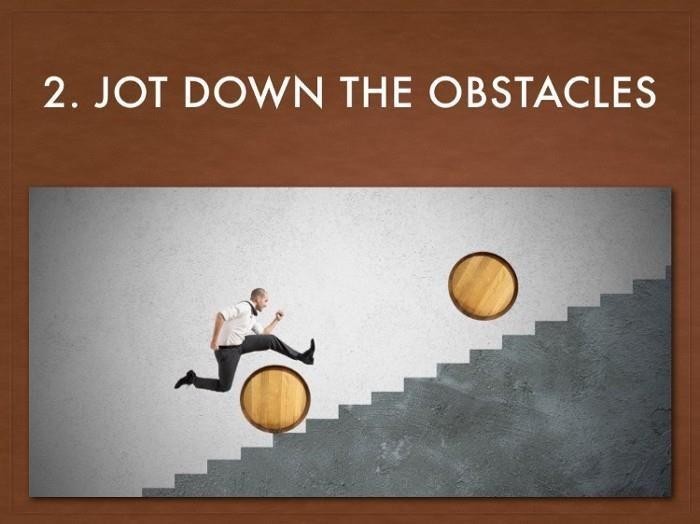
Obstacles:
- Lack of communication with classmates
- Wifi and data connection
- Environment problem
- Lazy

Resources
- Internet
- Lecturer
- Learning materials
- Reading a book
- Library
MODULE 3 – TIME MANAGEMENT & ORGANIZATIONAL SKILLS
Advantages of Being Organized:
- Keep on schedule and meet deadlines
- Reduce stress caused by the feeling of lack of control over your work schedule
- Avoid overlapping assignments and having to juggle more than one piece of work at a time
- Build your confidence about your ability to cope
List of Tips for Effective Time Management:
- Set a goal
- Prioritize wisely
- Set a time limit
- Take breaks between tasks
- Organize yourself
- Remove non-essential tasks
- Plan ahead
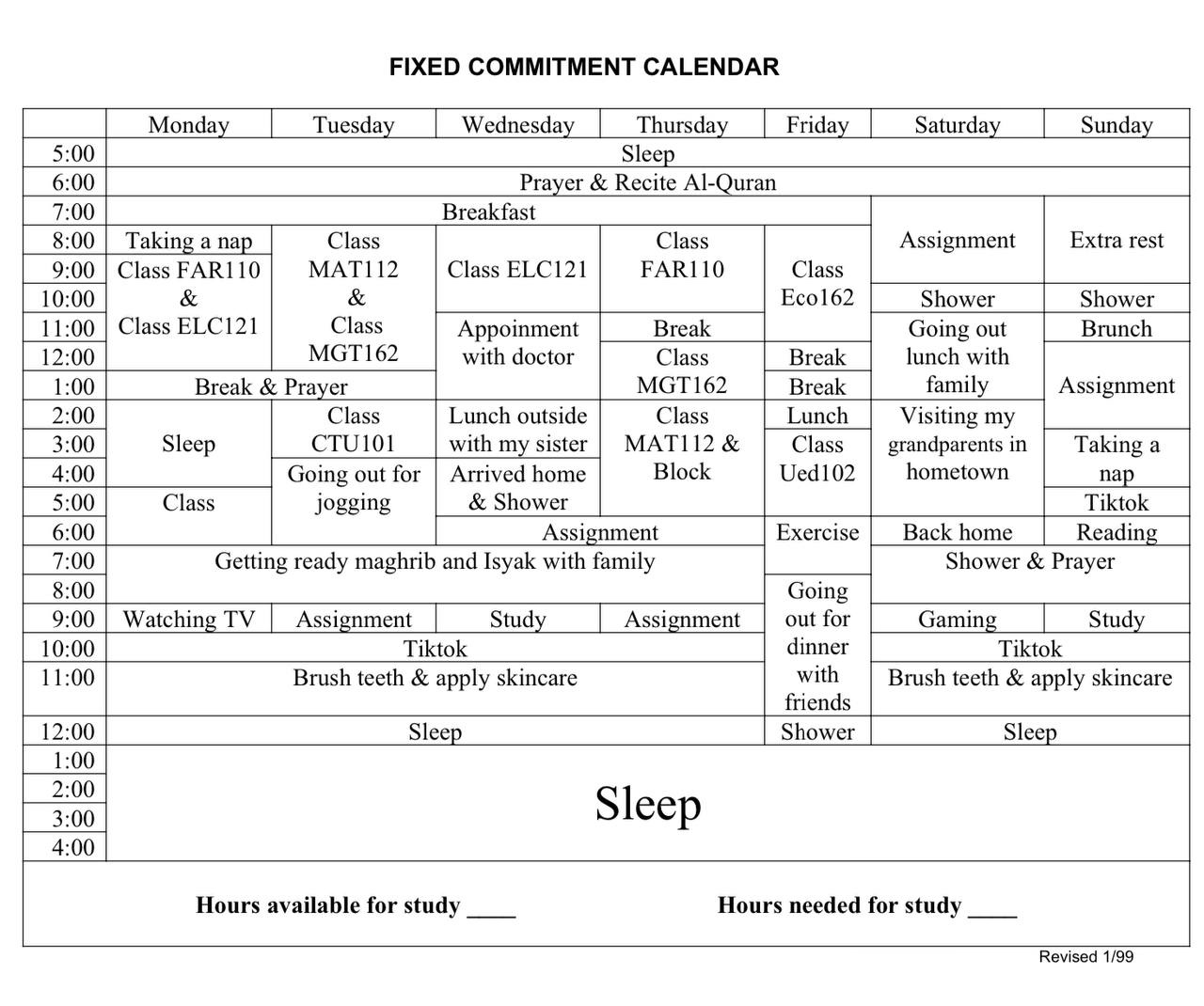
ACTIVITY 3, 4 & 5
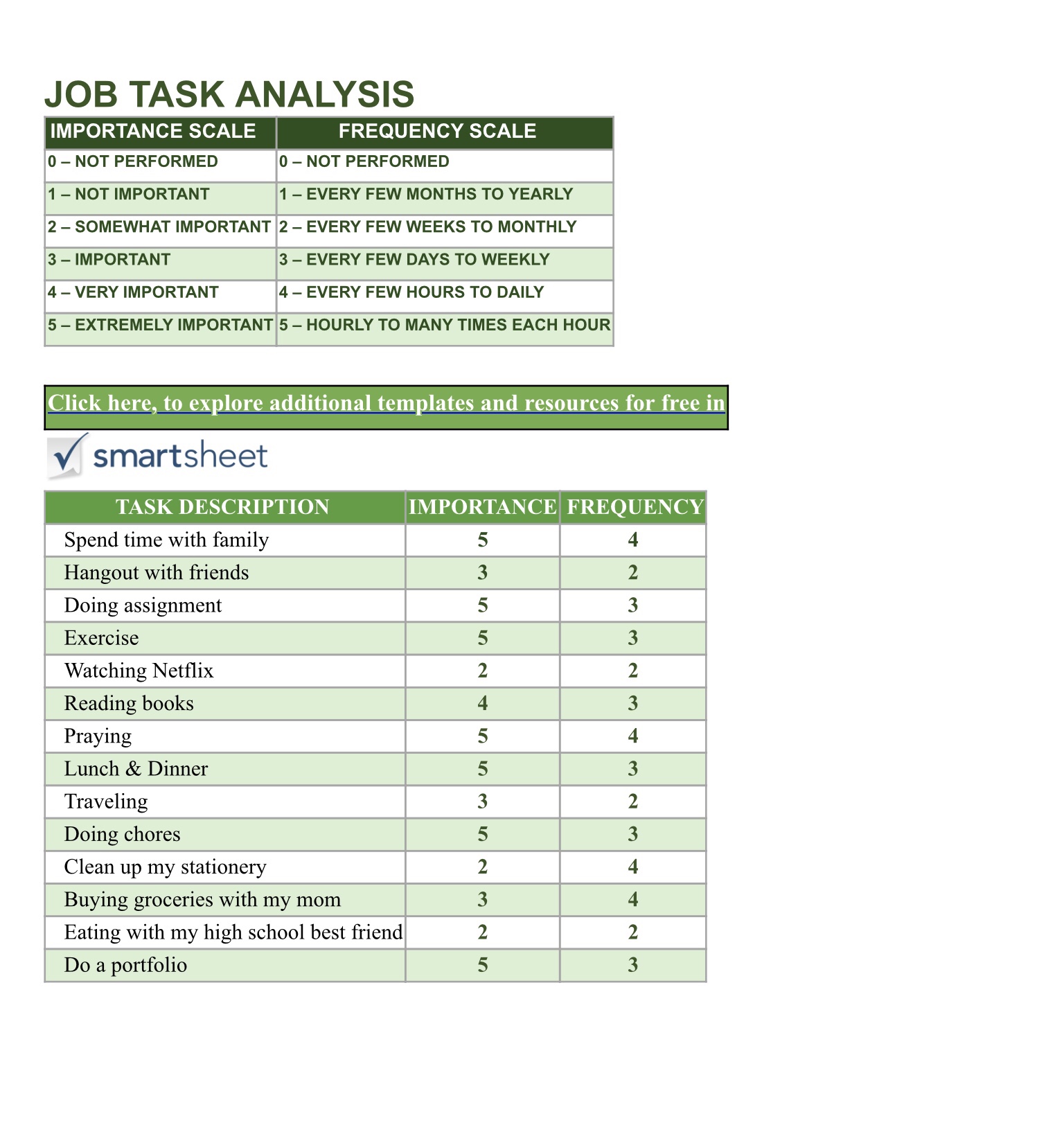
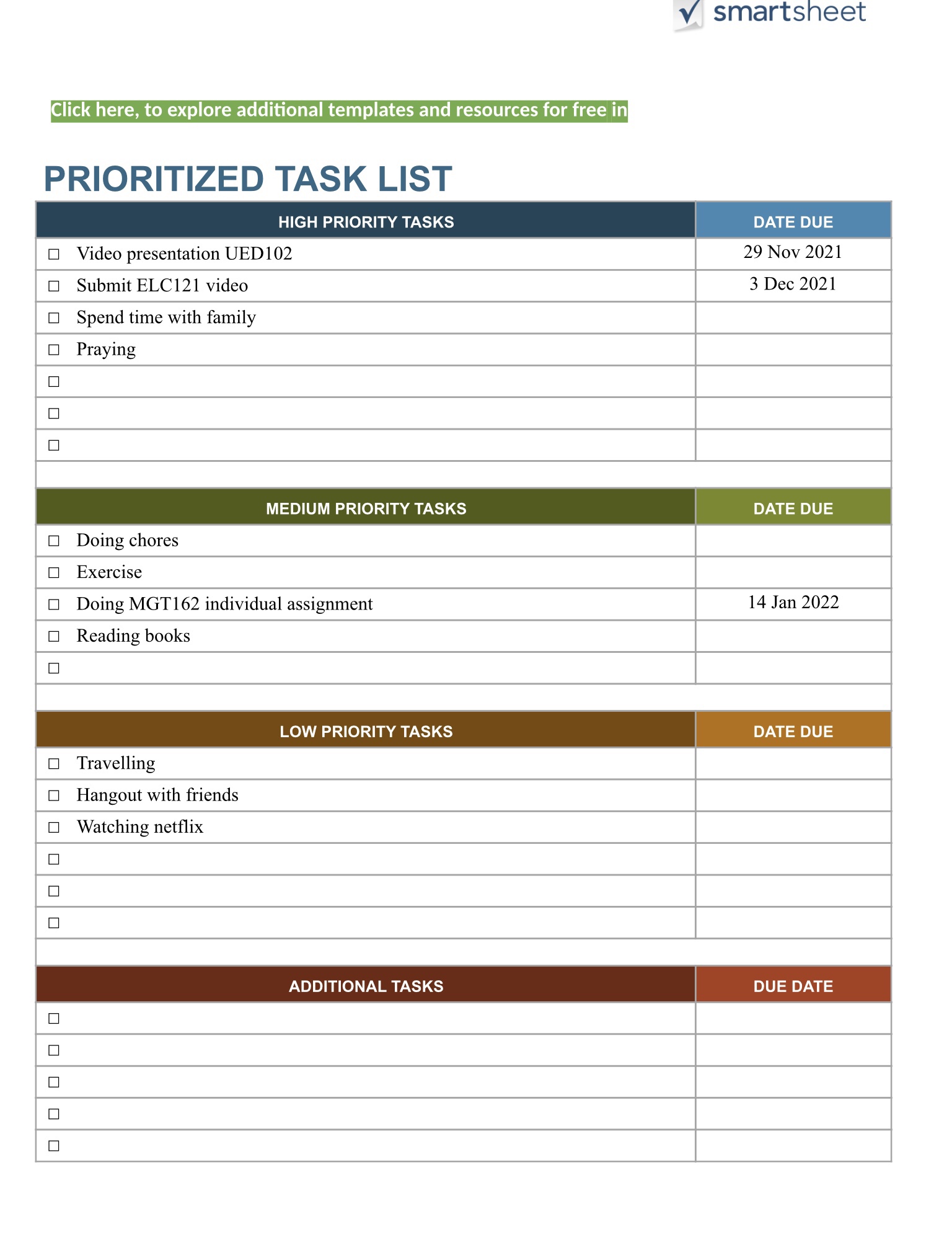
SWIPE FOR MORE!!
This Job Task Analysis is very useful for us to create our daily schedule based on our current needs. For each activity, we calculate how much time should we spent within 24 hours so we do not waste our time with things that does not give benefits to us.
Prioritized To-Do List
The main purpose of having prioritized to-do list is not to make sure everything done on the spot. This list helps you to set your mind of the priority of each task that you need to complete due to the deadline. Prioritized to-do list encourages us to systemize our task management so that, we won’t miss any single important assignments. It’s not that we take easy of the less priority task, we just make it easier to refer with task need to be done first. I also attached the example of prioritized to-do list above.
MODULE 4 – MEMORY, LEARNING & IMPROVING CONCENTRATION
THERE ARE 3 TYPES OF MEMORY :
- Sensory memory
- Short-term memory
- Long-term memory
Memory Strategies
What is Memory?
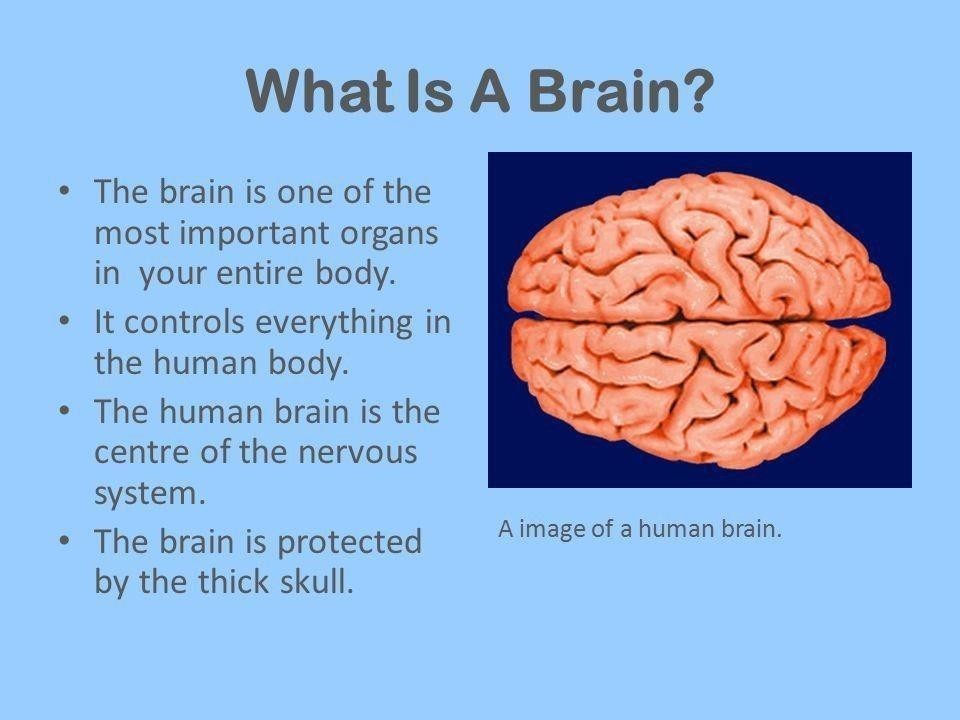
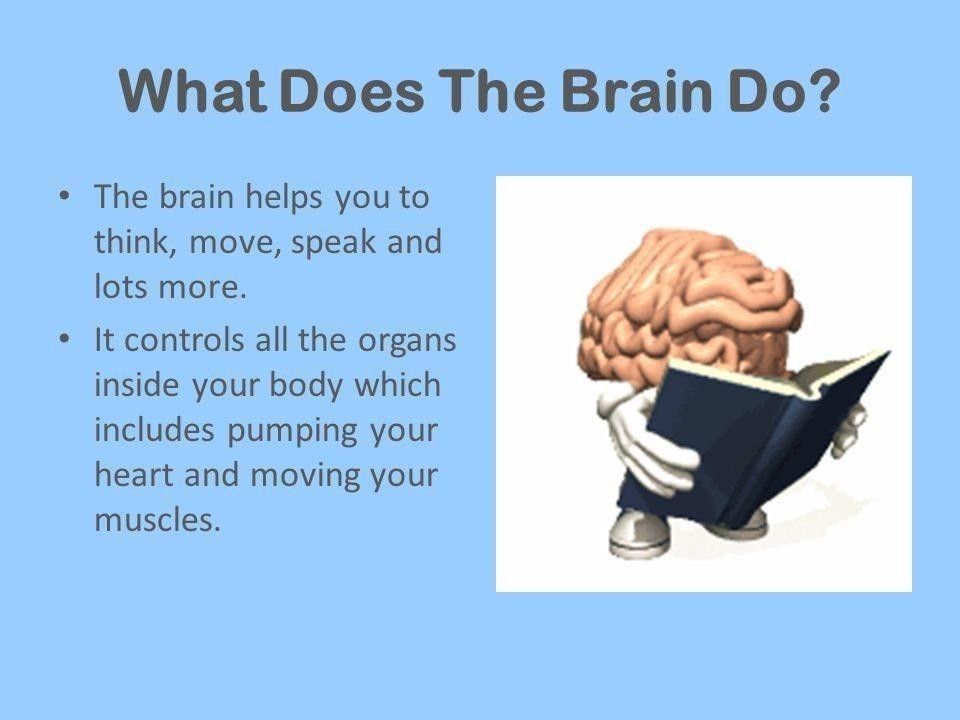
What is Brain?
- The mental process of registering storing and retrieving information.
- There are different types of memory
- Memory is the property of organism which ensures impression of connections between the environmental events and accumulation of living experience.

ORGANIZATIONAL STRATEGIES
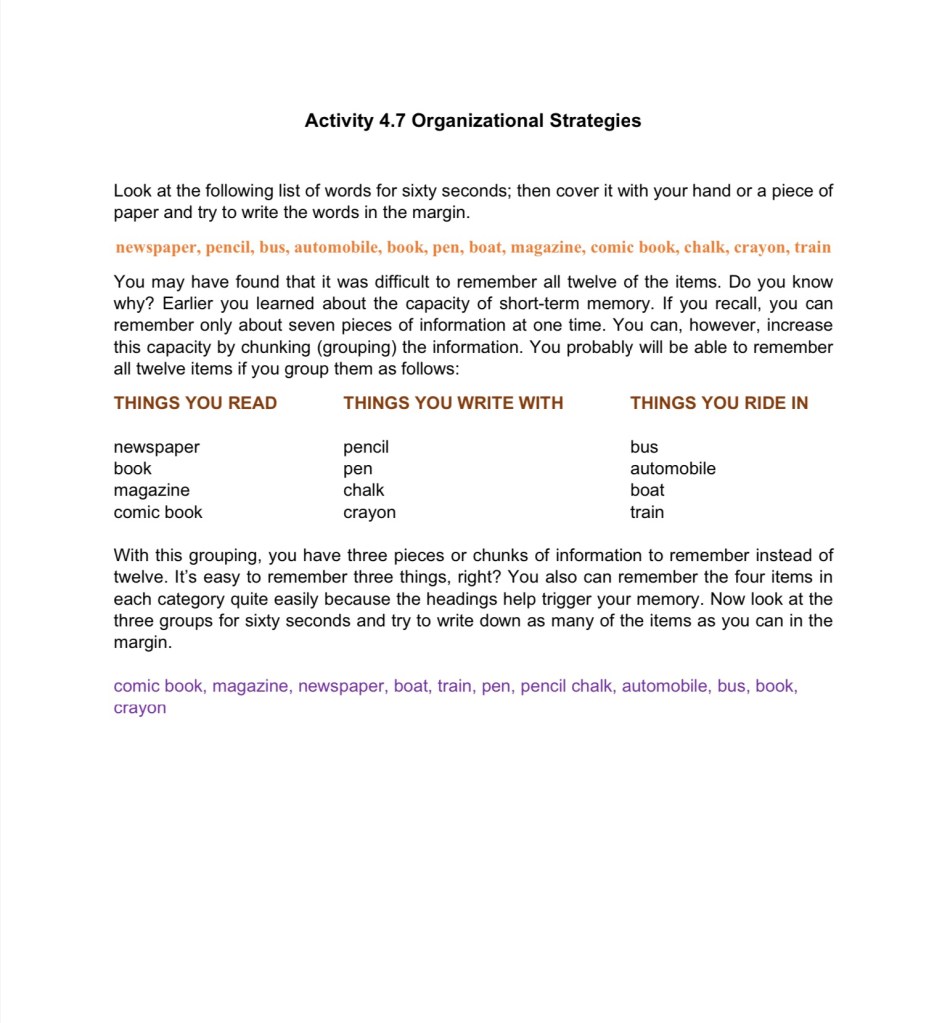
CONCENTRATION STRATEGIES
Concentrate is focusing and paying attention to things that we learn.
STRATEGIES TO IMPROVE CONCENTRATION:
- Use active learning strategies
- Use motivational and organizational strategies and create interest in work
- Match your learning style to the task
- Create positive learning environment such as find better location
- Monitor your concentration
- Deal with internal distractions or deal with personal problems


After I done fill the concentration chart, I found out one of my problems is I having hard time to concentrate during afternoon class as I felt sleepy and having my phone as distraction because I keep playing with it. Therefore, I need to take immediate action how to manage my schedule and avoiding things that can distracted me during class.
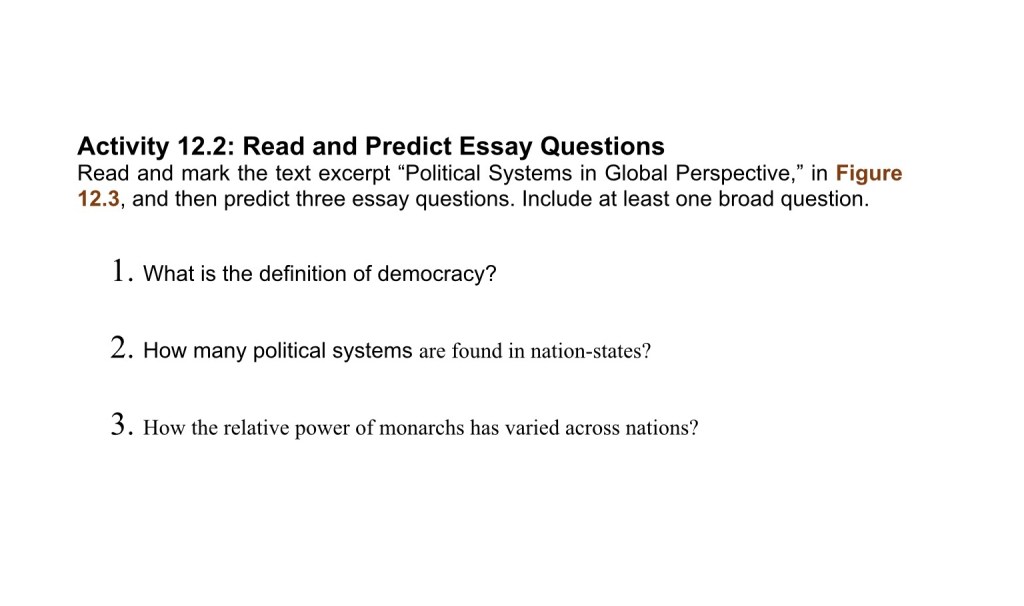
TITLE: POLITICAL SYSTEMS IN GLOBAL PERSPECTIVE
MODULE 5 – TAKING LECTURE NOTES
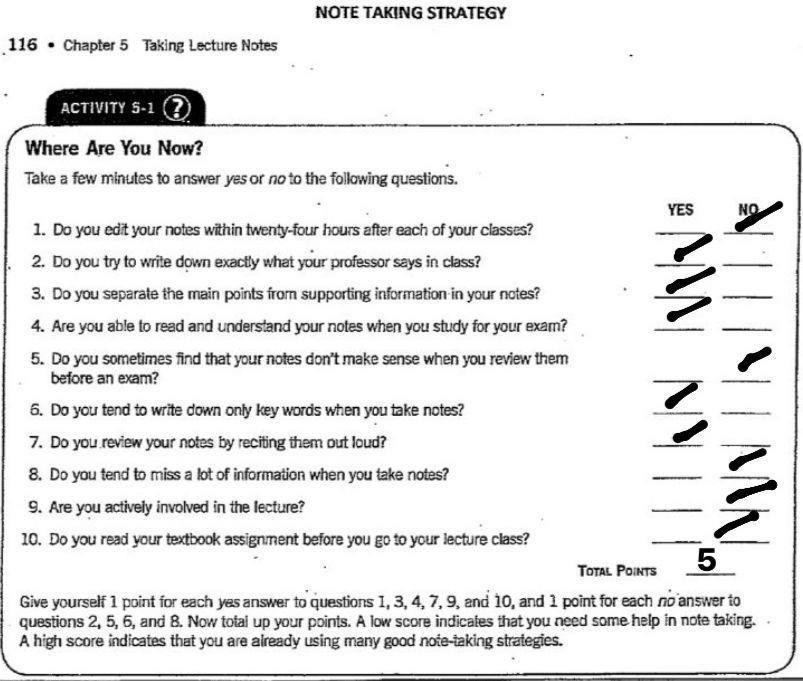
Note Taking Strategies
1) Take well-organized notes in outline form
This will help you to identify the main ideas. Start large, work down to details.
2) Take notes in complete thoughts, but abbreviate, reduce, and simplify
Don’t try to write the profs lecture word for word. You will fall behind and miss something important. Don’t copy overheads unless the professor gives you time to do so.
3) Separate and label the notes for each class
Start a new set of notes for each day, clearly separated from the day before; it makes your notes easier to study.
4) Make your notes easy to read
It’s easier to study your notes if you can read them.
5) Be an aggressive note taker
Sit where you can hear and see the professor without straining. Stay alert.
6) Start taking notes when the professor starts talking
Don’t wait for a big thought to strike you. You could easily become distracted and miss the big thought.
7) Isolate and learn the specialized vocabulary
Write down and highlight difficult or new words. Write definitions, or look them up later.
8) Separate facts from opinion and add your own ideas
Note what is fact and what is the professor’s opinion. Add your own thoughts; write notes directly to yourself.
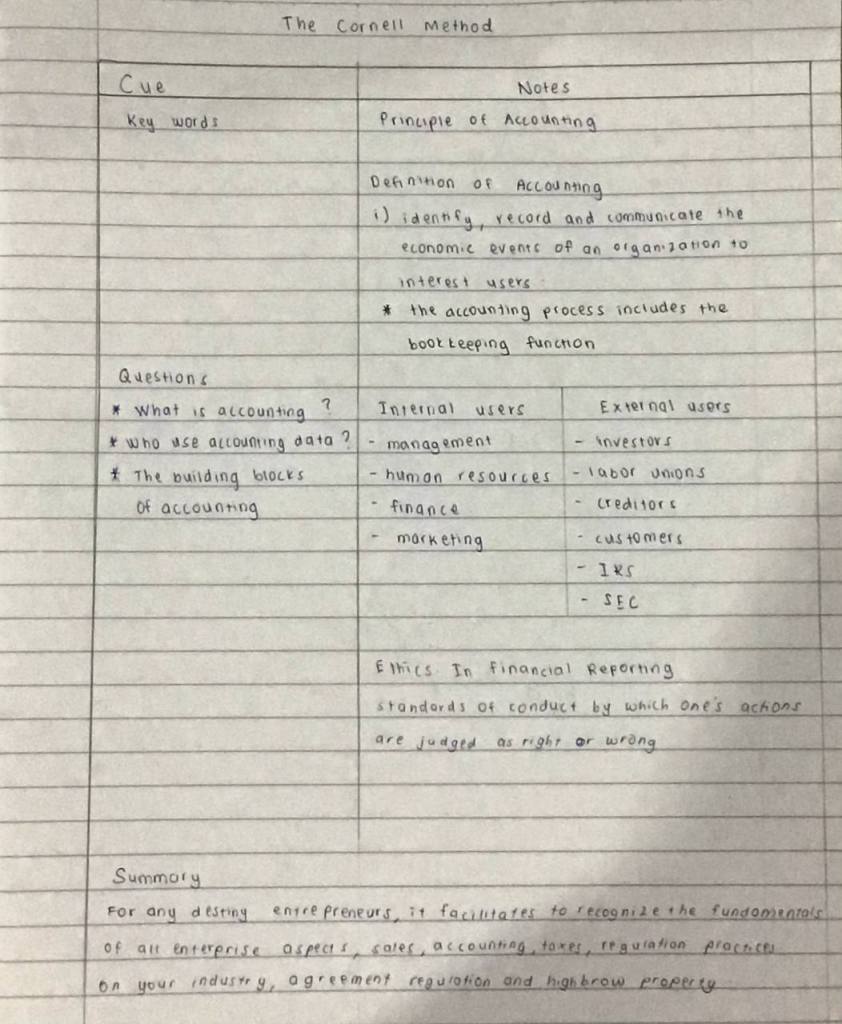
Note Taking Exercise using the Cornell Method
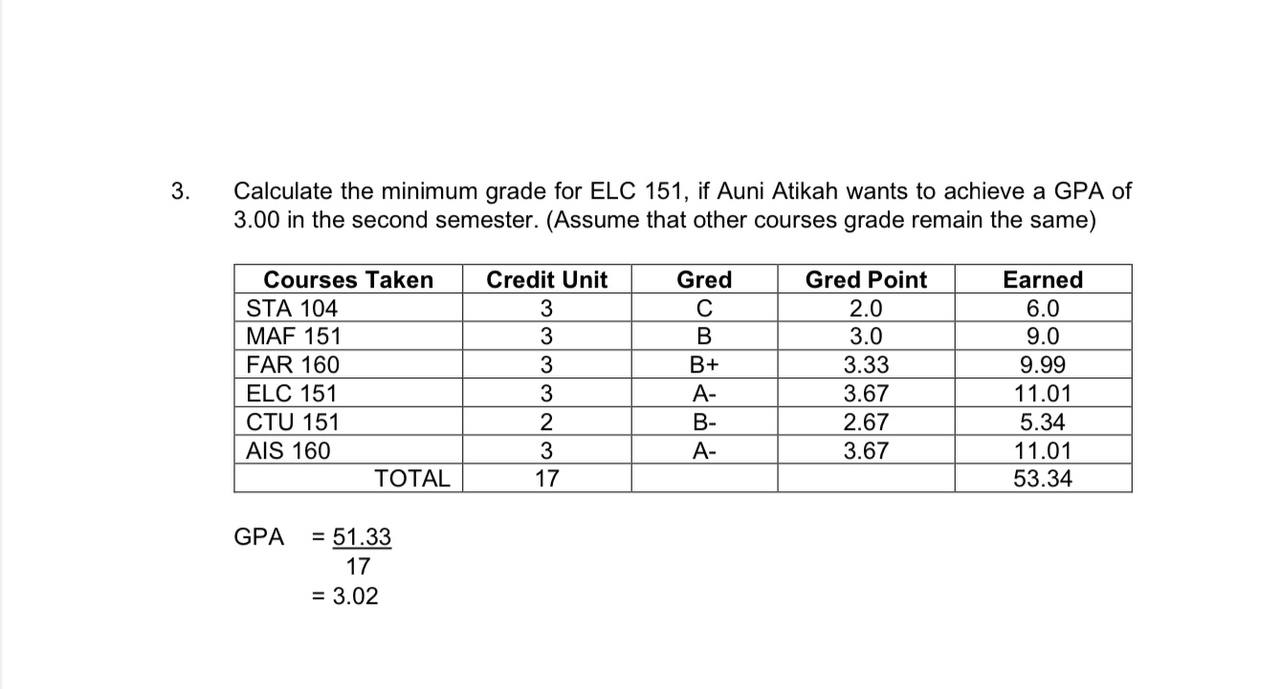
GPA Worksheet
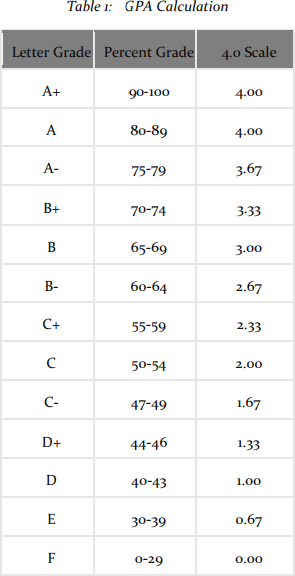
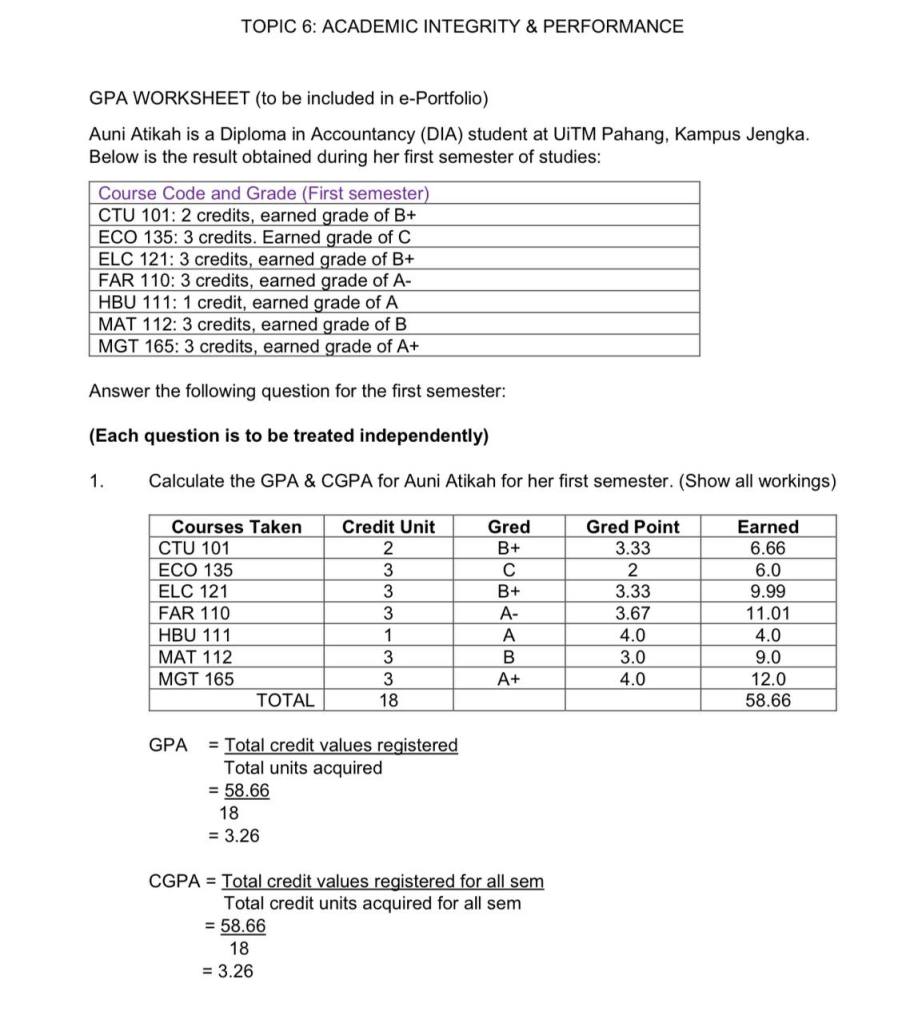
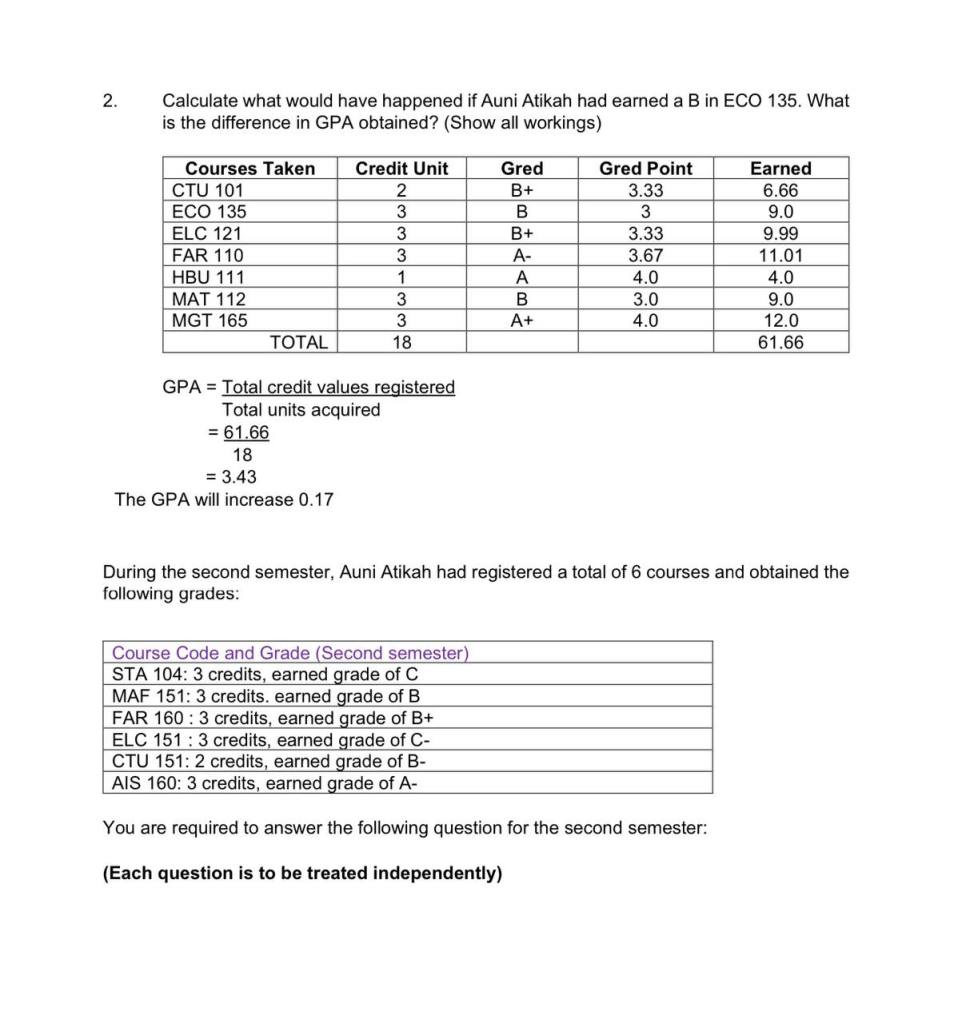
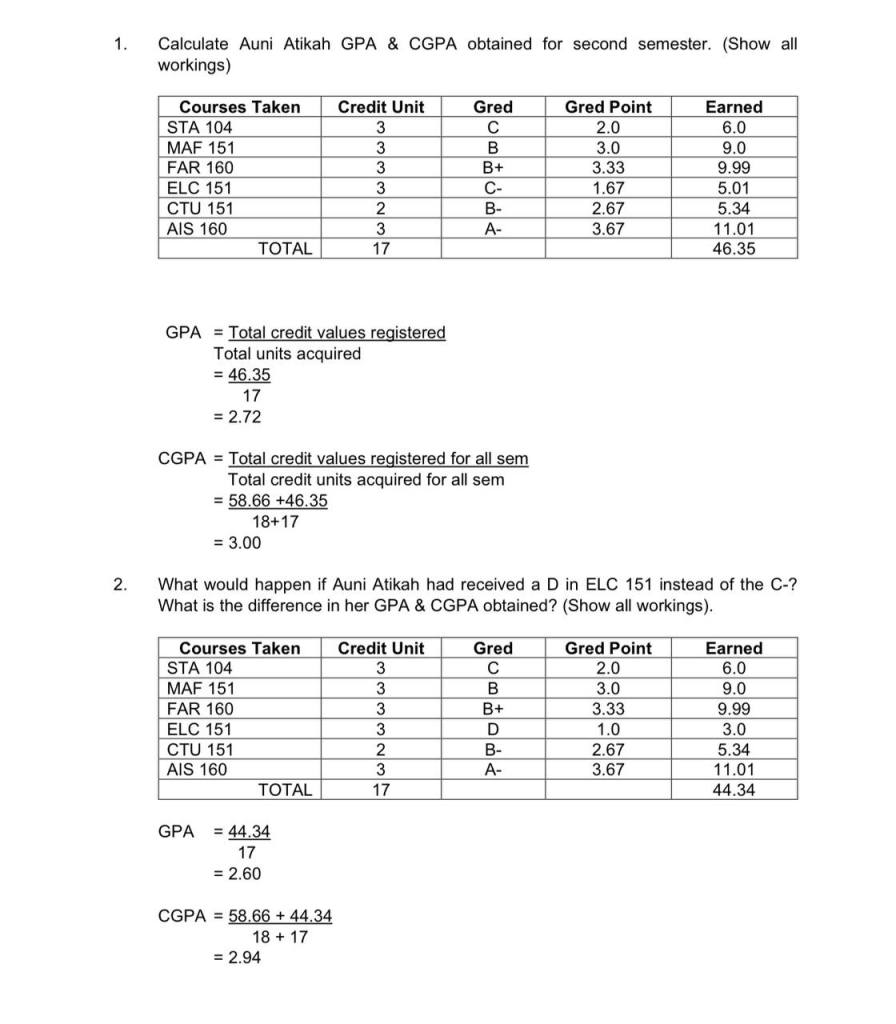
Calculating Grade Point Average
The final examination results and assessment at the end of every semester are assigned a Grade Point Average (GPA) and a Cumulative Grade Point Average (CGPA) which represent student’s academic achievement. A Grade Point Average (GPA) refers to the calculated average of the letters grade of student earns in each semester following a to 4.0 scale.
SLIDE FOR MORE!!
 UED 102 STUDY SKILLS
Leave a comment